Elite slingshot & Band Arsenal
Master The Slingshot
Slingshot shooting enthusiast
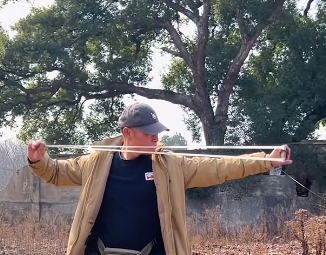
Slingshot shooting enthusiast. Passionate about precision, patience, and ballistic performance. Dedicated to mastering aim through disciplined practice. This space explores gear insights, safety protocols, and technique refinement for those seeking excellence in accuracy and technical skill development.
Find your slingshot
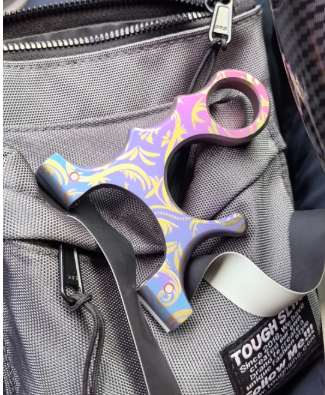
When choosing a slingshot, consider comfort, rubber band tension, and shooting style. Prioritize durability of materials and grip comfort, and avoid blindly pursuing high power. Always emphasize safety gear and proper technique, improve accuracy through scientific training, and gradually optimize your equipment setup.
As an Amazon Associate / AliExpress Affiliate, I earn from qualifying purchases.
Common Questions
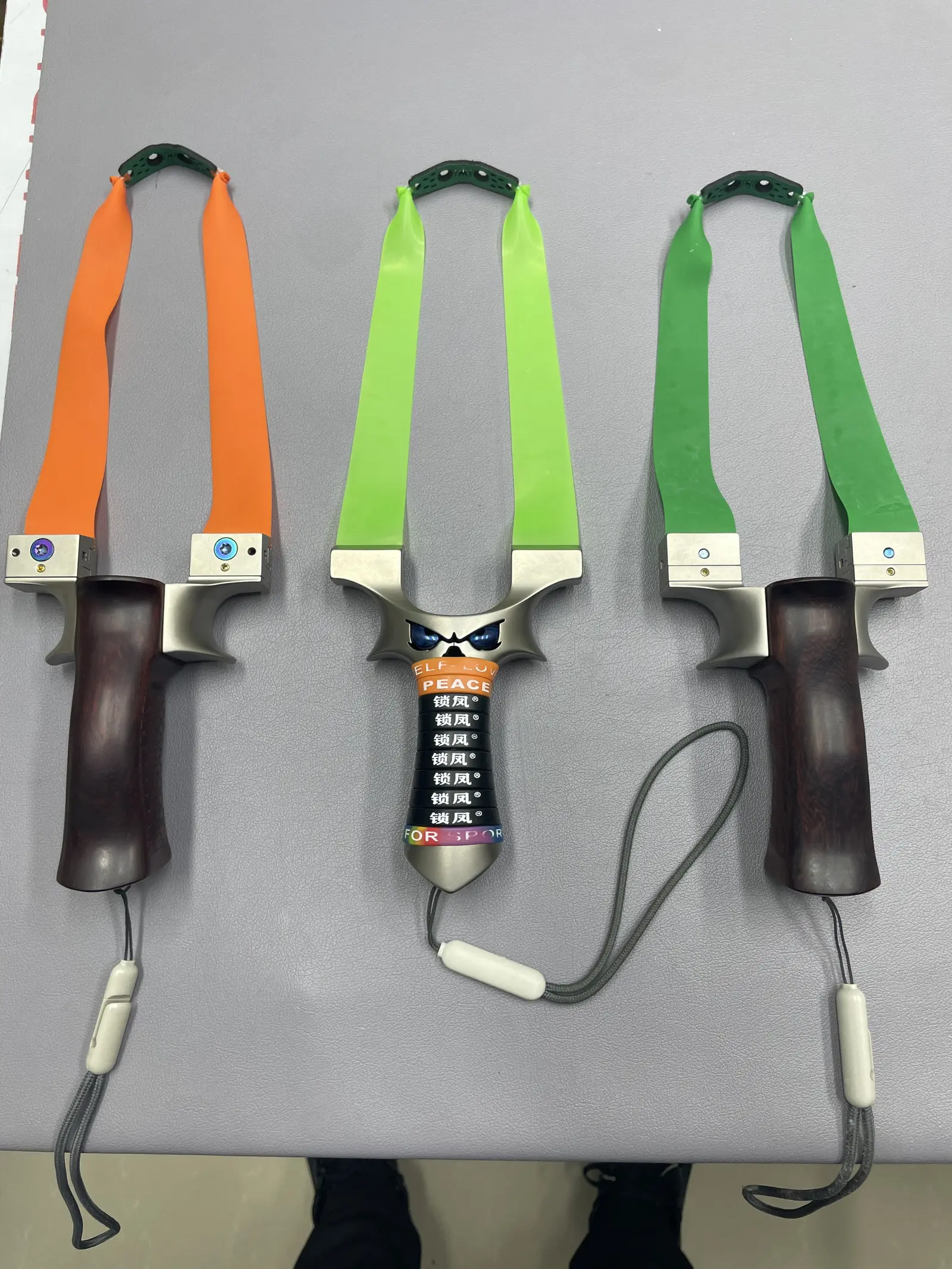
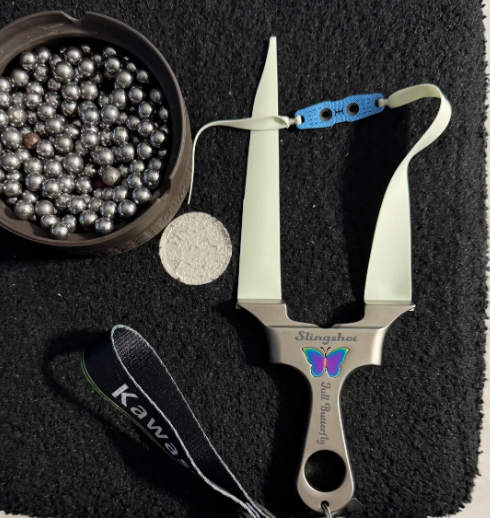
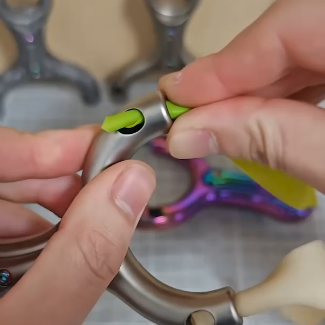
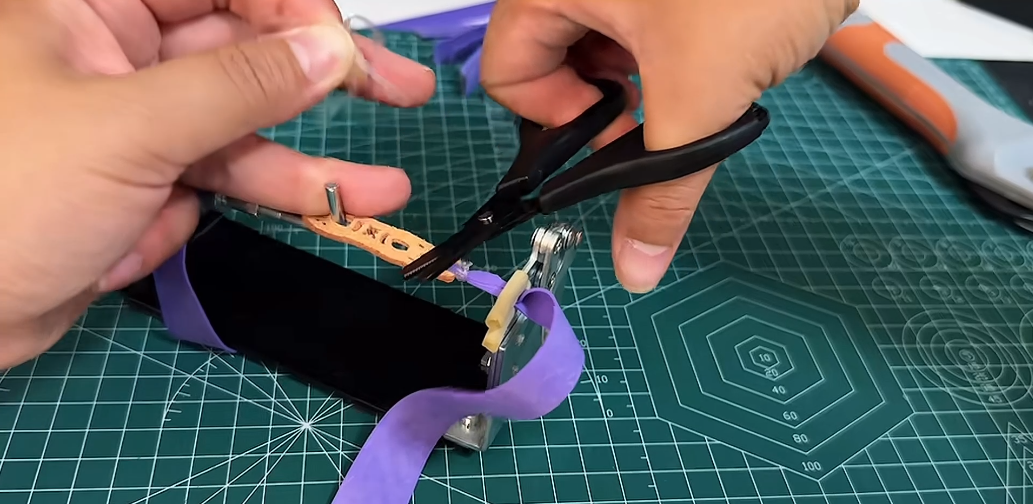
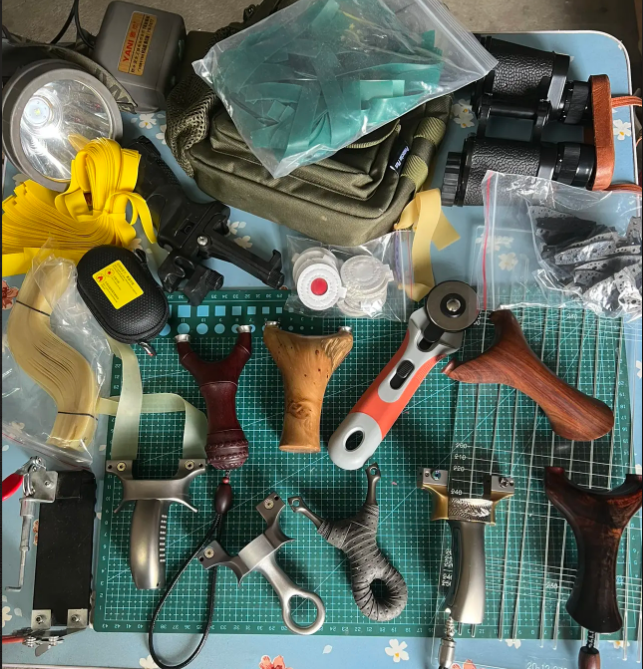


Is mastering the art of slingshot use challenging?
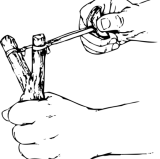
Most people land their first clean shots on the same afternoon they first pick up a slingshot. The fundamentals come together quickly: eye dominance, grip, anchor point, release, and sighting along the rubber bands. For a fuller explanation, readers may refer to my usage tips article.
Consistency, however, takes longer. Placing a shot exactly where one intends, ten times in succession, is a gradual achievement. Many shooters begin to see real groupings within a few hundred shots, which can reasonably fit into a weekend.
A slingshot is a simple machine. Two hands provide stability, while the rubber bands do the work. The shot travels wherever the bands are aimed. Anyone who can swing a hammer or cast a fishing line can learn to shoot a slingshot.
Is Your Slingshot Just a Kid’s Toy?
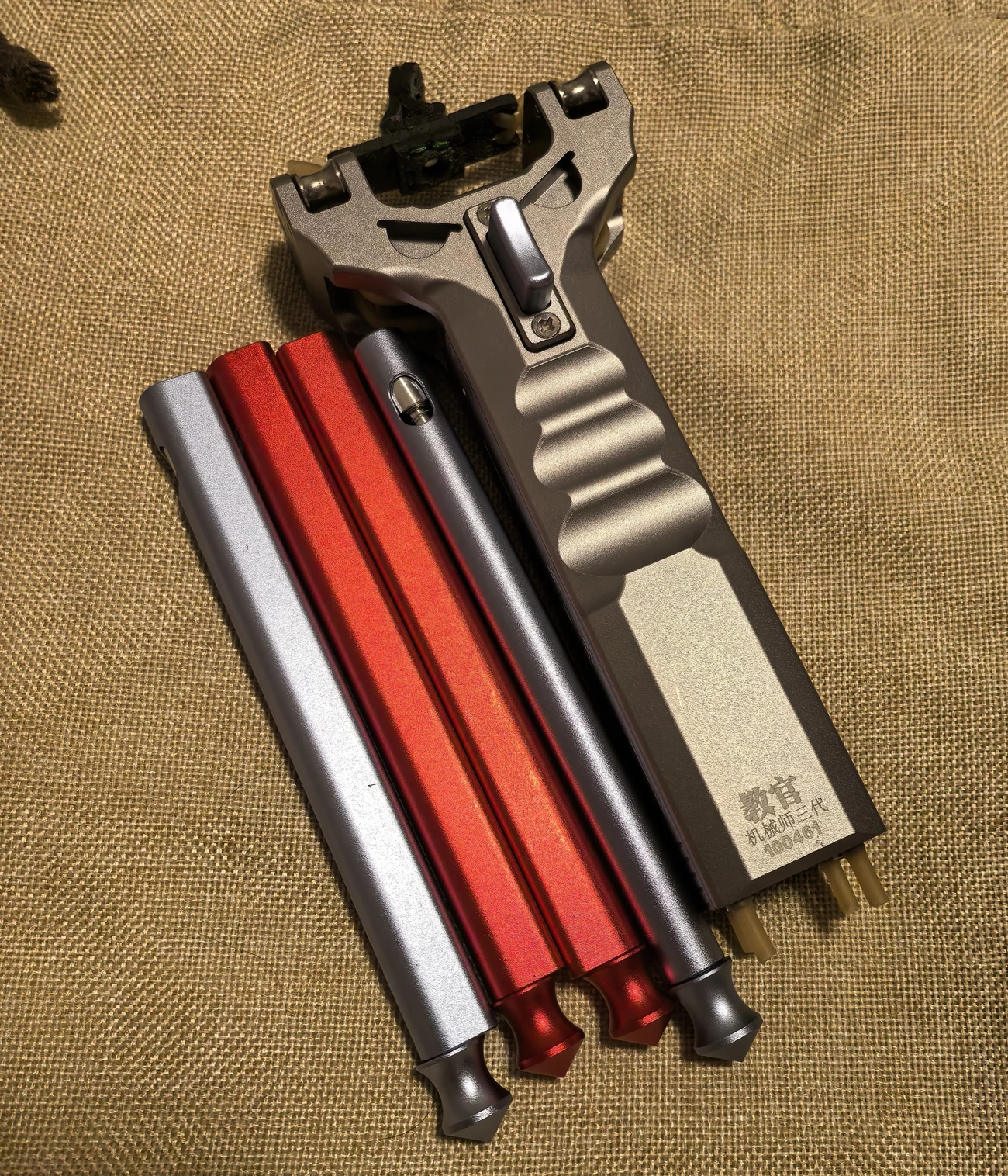
Discover the difference between casual slingshots and professional tools built for serious use. This guide explores how durable frames with fiber-optic sights enhance accuracy and longevity for hunting, competition, and high-volume shooting. Learn why construction quality matters for safety and performance, and find out which equipment is designed to withstand rigorous daily application by adult users.
Slingshot Safety Essentials
Is shooting a slingshot safe? Yes, provided you strictly follow three core principles:
- Eye Protection: Always wear certified safety glasses. This is mandatory for every shot without exception.
- Lanyard Use: Secure the lanyard to your wrist or belt before drawing. This prevents accidental drops and potential injury.
- Proper Backstop: Ensure there is a safe area behind your target. Use a catch box, heavy tarp, or plywood to stop projectiles and protect what lies beyond.
Slingshots are simple tools that accelerate projectiles at significant speeds. Treat them with the same respect as any other tool requiring precision and caution. It is your responsibility to check local regulations and ensure your activity is legal in your area before you begin.
Safety glasses. Lanyard. Backstop. Adhere to these rules, and you can shoot safely and responsibly.
Where can I shoot a slingshot?
Where should you set up your shooting station? The good news is that a slingshot does not require a specialized range. You only need about 10 feet of clear space and, most importantly, a reliable backstop to safely contain the projectiles. Always maintain strict awareness of what lies behind your target area.
Several locations are ideal for practice:
- The Backyard: This is the most popular choice. Using a catch box or positioning a heavy backstop against a fence, garage wall, or solid barrier ensures that stray shots are stopped securely.
- Indoor Spaces: Basements and garages offer surprisingly consistent conditions. With controlled lighting and no wind or weather interference, many enthusiasts prefer indoor practice sessions using a proper catch system.
Regarding distance, competitive tournaments typically use ranges of 30 to 33 feet (10 meters). However, beginners should start closer, at 10 to 15 feet. Shorter distances help build confidence and ensure that all shots remain within the safe containment zone. As long as your downrange area is visible and secure, you are ready to shoot.
Always verify local regulations before beginning. In many areas, slingshots are quiet enough that they do not require permits, making it easy to fit shooting into a lunch break or after work. It is one of the few shooting sports that seamlessly integrates into modern daily life, provided you follow safety rules and know where you are allowed to shoot.